
Chemistry
Explore Opportunities
LSU Chemistry is one of six departments in the College of Science and is designated
as a Foundation of Excellence Department due to the outstanding accomplishments of
our faculty, staff, and students in terms of teaching/learning, research, and service.
Our department has LSU's largest Ph.D. program and is one of the best-equipped chemistry
departments in the United States.
In the News
Featured Research
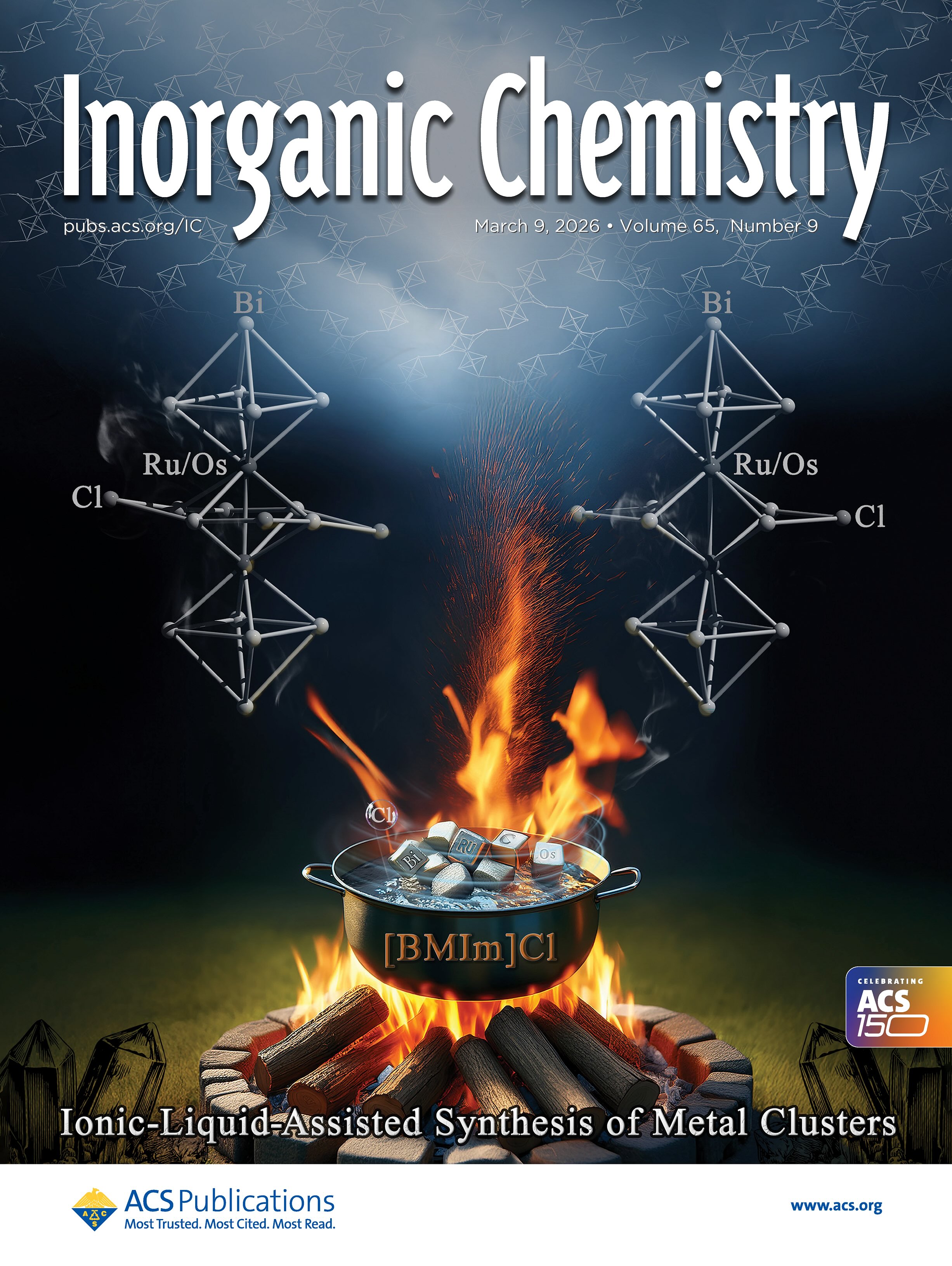
LSU researchers have developed a new method for synthesizing complex inorganic materials at significantly lower temperatures using ionic liquids as a reaction medium. By reducing the need for extreme heat, the approach lowers energy demands while enabling greater precision in how atoms assemble into structured clusters. The study identifies new bismuth-based cluster forms and integrates experimental and computational analysis to better understand and predict their formation. This work establishes a new pathway for designing advanced materials with potential applications in energy, catalysis, and next-generation technologies.
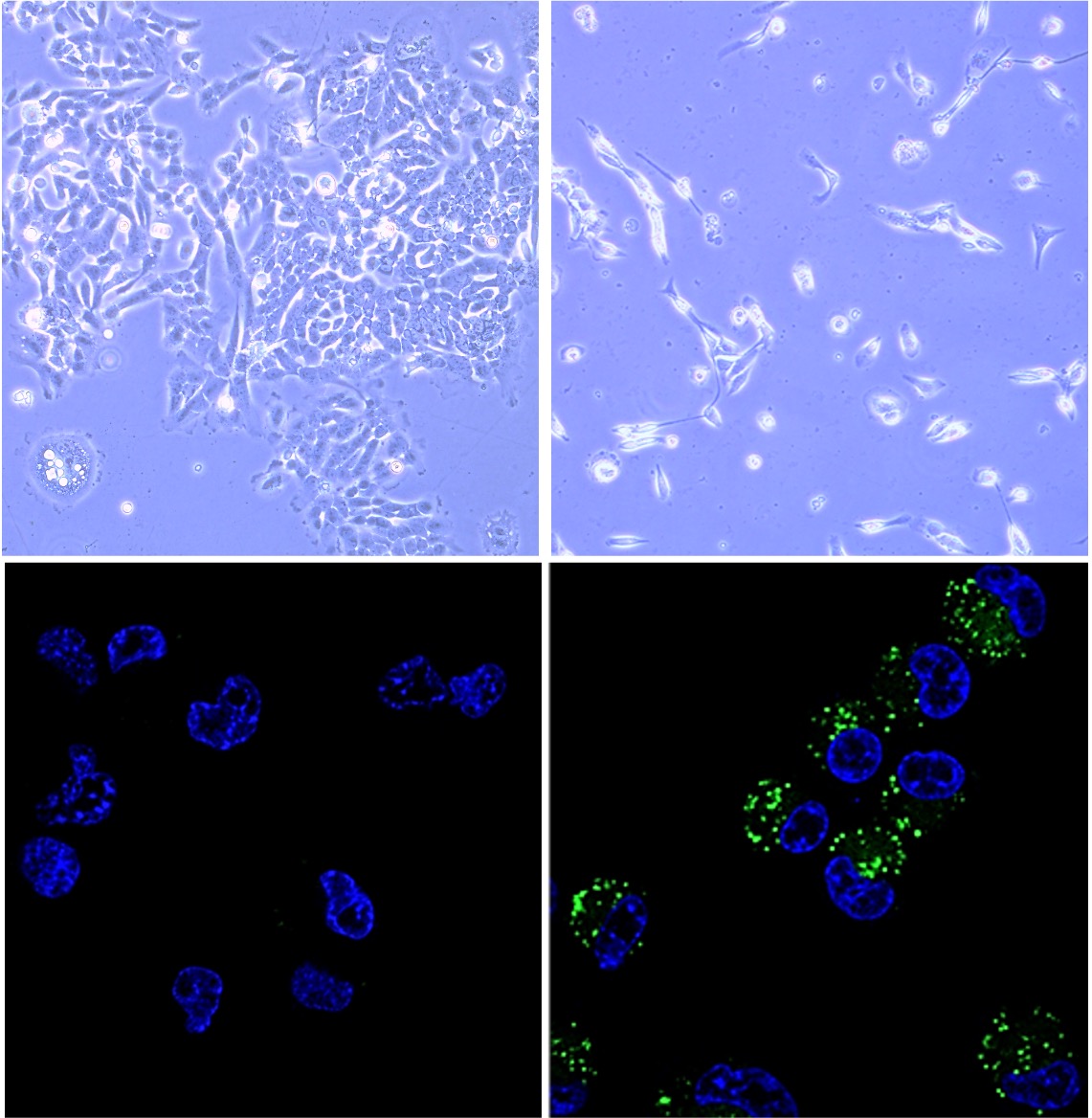
LSU chemist Dr. Fatima Rivas is investigating an oxidized cholesterol molecule that may offer a new strategy for targeting colorectal cancer. Inspired by natural compounds found in mushrooms, the molecule acts like a molecular “Trojan horse,” entering cancer cells through cholesterol pathways and disrupting critical cellular processes. In laboratory studies, the compound slowed tumor cell growth and triggered programmed cell death while showing selectivity for cancer cells over healthy tissue. Supported by pilot funding from the Louisiana Cancer Research Center, the early-stage research aims to uncover how the molecule works and whether it could lead to new therapeutic approaches.
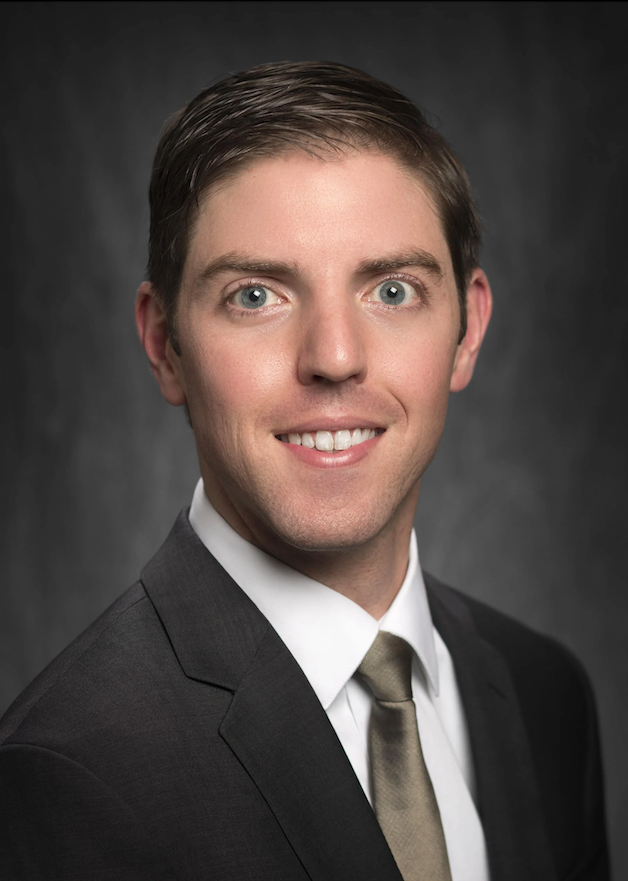
LSU Assistant Professor Matthew Chambers has received a prestigious $875,000 grant from the U.S. Department of Energy to develop energy-efficient chemical processes aimed at reducing carbon emissions in the petrochemical industry. His research focuses on using abundant metals, like cobalt, to produce vital chemicals under milder conditions, decreasing energy consumption. Chambers’ work on improving the hydroformylation process, which is key to manufacturing various consumer goods, could significantly cut the environmental impact of this major industrial reaction. He is one of only 91 early-career scientists nationwide to receive this funding.